Bridging the Gap: Addressing Blindness Education in São Paulo, Brazil
Category : | Sub Category : Posted on 2024-10-05 22:25:23
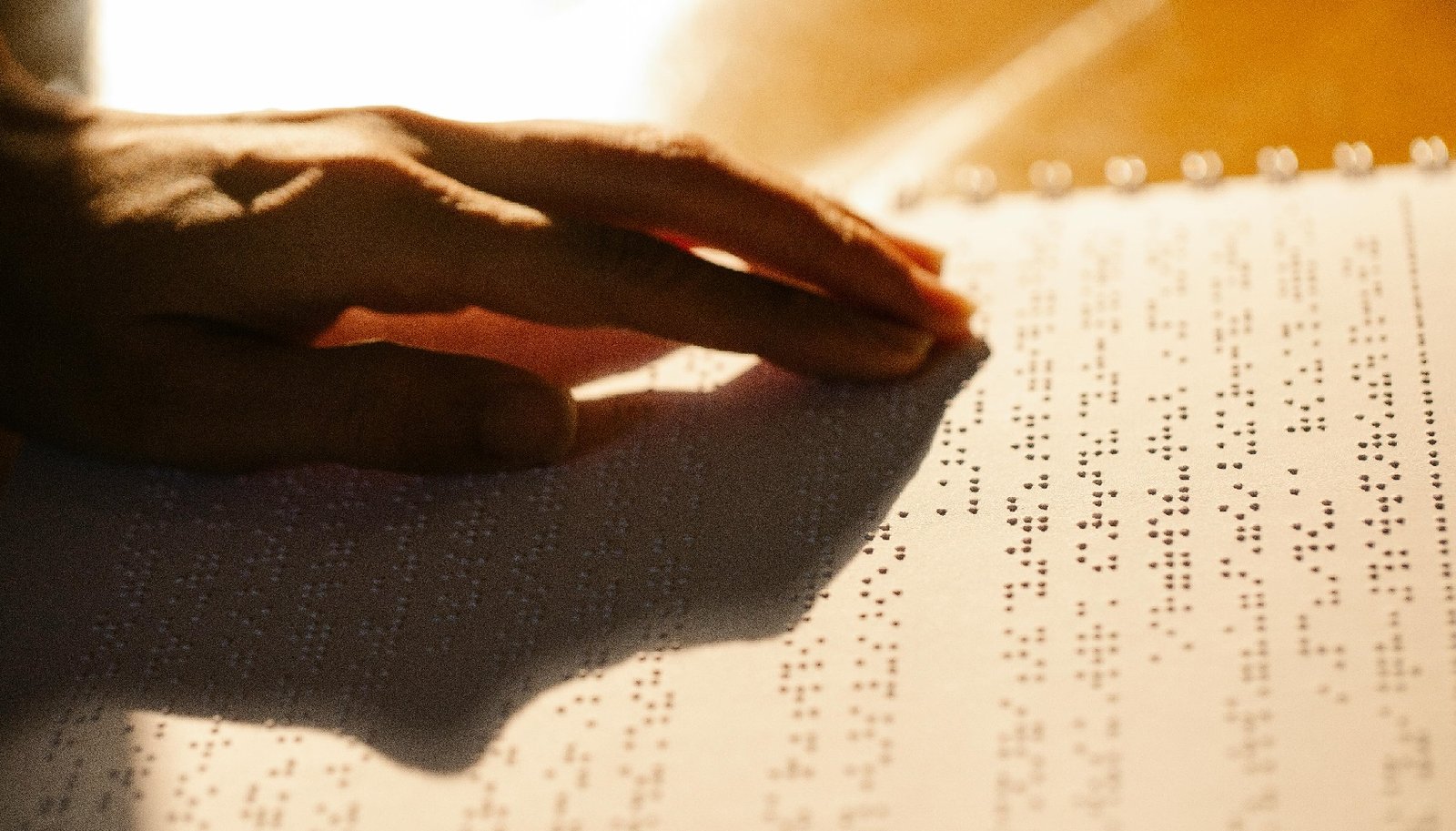
São Paulo, Brazil, a vibrant and bustling metropolis, is known for its rich culture, diverse population, and thriving economy. However, amidst its urban landscape, there lies a significant challenge that often goes unnoticed - the issue of blindness education. According to the World Health Organization, an estimated 366,000 people in Brazil are blind, with a majority of them residing in urban areas like São Paulo. In this blog post, we will explore the current status of blindness education in São Paulo and discuss strategies to bridge the gap and provide better educational opportunities for individuals who are visually impaired. One of the primary challenges faced by the visually impaired population in São Paulo is access to quality education. Many schools and educational institutions lack the necessary resources and accommodations to support students with visual impairments. This creates barriers to learning and limits the academic and professional opportunities available to these individuals. Additionally, there is a lack of awareness and understanding among teachers and school administrators about the specific needs of visually impaired students, further hindering their educational progress. In response to these challenges, several organizations and initiatives have emerged in São Paulo to improve blindness education and support the visually impaired community. One such organization is the Associação de Assistência à Criança Deficiente (AACD), which provides rehabilitation services, educational support, and vocational training for individuals with disabilities, including visual impairments. Additionally, the Instituto Benjamin Constant (IBC) offers specialized educational programs for visually impaired students, equipping them with the skills and tools necessary to succeed in school and beyond. Despite these efforts, there is still much work to be done to enhance blindness education in São Paulo. Increased funding and resources are needed to improve the accessibility of schools and ensure that visually impaired students receive the support they need to excel academically. Training programs for teachers and school staff should also be implemented to raise awareness about the needs of visually impaired students and promote inclusive education practices. Furthermore, raising public awareness about blindness education and advocating for policy changes at the local and national level are crucial steps towards creating a more inclusive and equitable educational system in São Paulo. By working together, educators, policymakers, and community members can help break down barriers and create a more accessible and supportive environment for individuals with visual impairments. In conclusion, addressing blindness education in São Paulo is essential to ensuring equal opportunities for all individuals, regardless of their visual abilities. By prioritizing inclusive education practices, providing necessary resources and support, and raising awareness about the needs of the visually impaired community, São Paulo can take significant strides towards creating a more inclusive and accessible educational system for all. Together, we can bridge the gap and pave the way for a brighter future for individuals with visual impairments in São Paulo, Brazil.
https://tosaopauolo.com
https://uptube.net
https://ciego.org
Leave a Comment:
SEARCH
Recent News
- Zurich, Switzerland has long been known for its exceptional quality of life, beautiful surroundings, and high standard of healthcare. In contrast, the Russian healthcare system has faced various challenges and struggles over the years. Let's delve into the differences between the healthcare systems in Zurich, Switzerland, and Russia.
- Navigating Medical Device Regulations in Zurich, Switzerland
- In the bustling city of Zurich, Switzerland, finding healthy fast food options can be a challenge. However, with a little exploration and curiosity, you can discover some fantastic spots that offer nutritious and delicious meals on the go.
- YouTube Content Creation: Exploring the Russian Healthcare System
- In today's digital age, YouTube has become a powerful platform for content creators to share their knowledge and expertise with a global audience. One particular niche that has been gaining traction on YouTube is the creation and translation of content related to medical devices regulation.
- Are you looking for tips on creating YouTube content about healthy fast food options and the importance of translation in reaching a wider audience? Let's dive into how you can combine these two aspects to create engaging and informative videos for your channel.
- Exploring the Russian Healthcare System: Insights from a YouTube Channel
- Navigating the Regulatory Landscape for Medical Devices on YouTube
READ MORE
10 months ago Category :

Zurich, Switzerland has long been known for its exceptional quality of life, beautiful surroundings, and high standard of healthcare. In contrast, the Russian healthcare system has faced various challenges and struggles over the years. Let's delve into the differences between the healthcare systems in Zurich, Switzerland, and Russia.
Read More →10 months ago Category :

Navigating Medical Device Regulations in Zurich, Switzerland
Read More →10 months ago Category :

In the bustling city of Zurich, Switzerland, finding healthy fast food options can be a challenge. However, with a little exploration and curiosity, you can discover some fantastic spots that offer nutritious and delicious meals on the go.
Read More →10 months ago Category :
