Blindness Education in Nigeria: Promoting Inclusivity and Empowerment
Category : | Sub Category : Posted on 2024-10-05 22:25:23
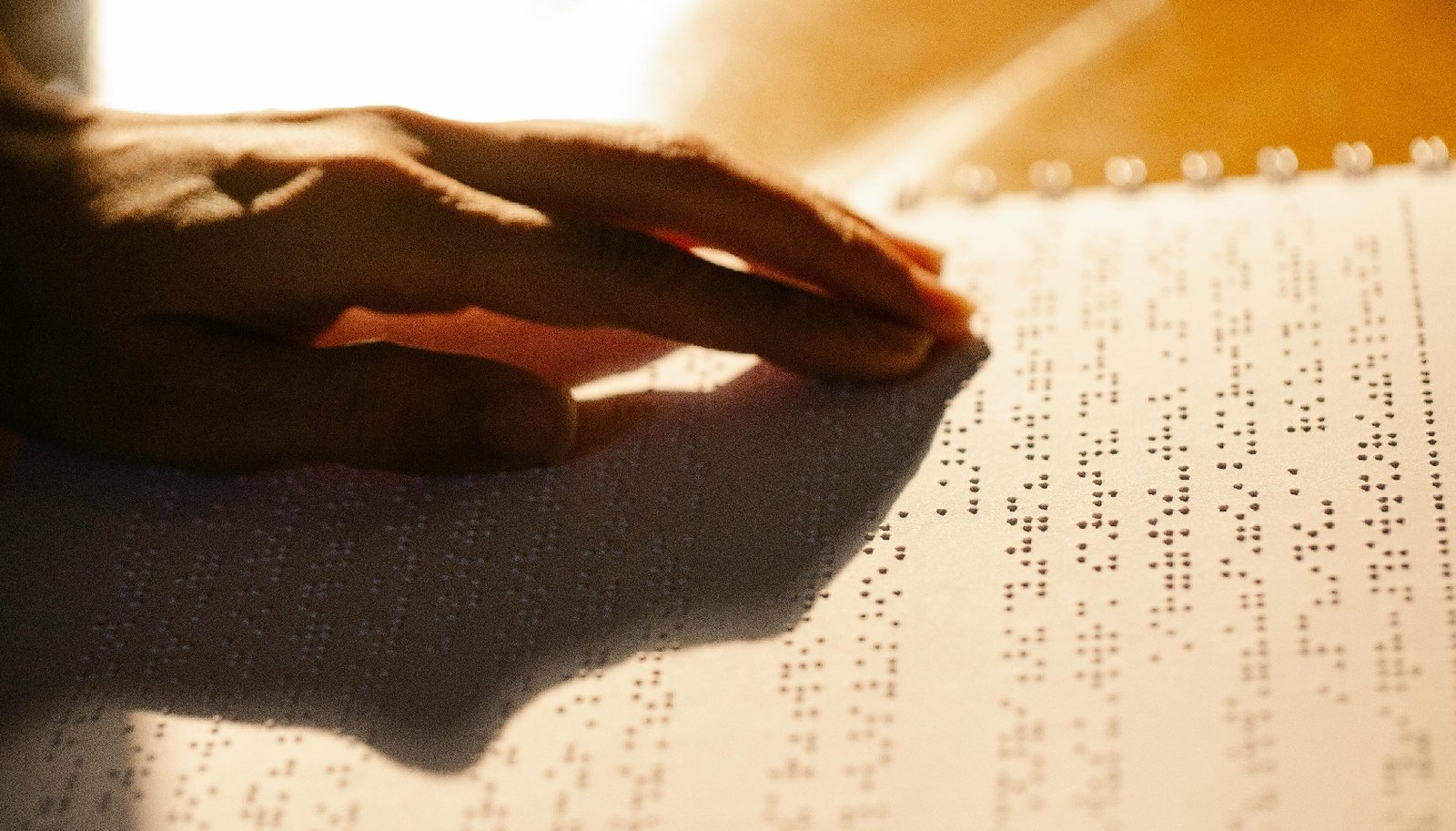
Blindness remains a significant challenge in Nigeria, with hundreds of thousands of people living with visual impairments. In order to address this issue and promote inclusivity and empowerment for individuals who are blind, education plays a crucial role. By ensuring that blind individuals have access to quality education and the necessary support systems, we can help them reach their full potential and participate fully in society. One of the key aspects of blindness education in Nigeria is providing access to specialized schools and educational programs tailored to the needs of visually impaired students. These schools offer a supportive environment where students can learn essential skills such as Braille literacy, orientation and mobility training, and assistive technology usage. By equipping blind students with these tools, they can actively engage in the learning process and achieve academic success. In addition to specialized schools, it is essential to promote inclusive practices in mainstream educational institutions to accommodate blind students. This can include providing accessible learning materials, modifying teaching methods, and fostering a supportive classroom environment. By creating inclusive learning environments, we can ensure that blind students have equal opportunities to learn and thrive alongside their sighted peers. Furthermore, vocational training and job placement programs are essential components of blindness education in Nigeria. By providing training in marketable skills such as computer proficiency, crafting, or entrepreneurship, we can empower blind individuals to gain economic independence and contribute meaningfully to their communities. Through partnerships with businesses and government agencies, we can facilitate job placements for visually impaired individuals and break down barriers to employment. It is also crucial to raise awareness about blindness and advocate for the rights of visually impaired individuals in Nigeria. By dispelling misconceptions and stigma surrounding blindness, we can promote a more inclusive society where blind individuals are respected and valued for their abilities. Advocacy efforts can also push for policies that support the rights of the visually impaired, such as ensuring equal access to education, healthcare, and employment opportunities. In conclusion, promoting blindness education in Nigeria is essential for empowering visually impaired individuals and fostering a more inclusive society. By providing access to quality education, vocational training, and advocacy, we can create a more equitable and supportive environment for blind individuals to thrive. Through collective efforts and commitment to inclusivity, we can work towards a future where blindness is no longer a barrier to success and fulfillment.
https://ciego.org
Leave a Comment:
SEARCH
Recent News
- Zurich, Switzerland has long been known for its exceptional quality of life, beautiful surroundings, and high standard of healthcare. In contrast, the Russian healthcare system has faced various challenges and struggles over the years. Let's delve into the differences between the healthcare systems in Zurich, Switzerland, and Russia.
- Navigating Medical Device Regulations in Zurich, Switzerland
- In the bustling city of Zurich, Switzerland, finding healthy fast food options can be a challenge. However, with a little exploration and curiosity, you can discover some fantastic spots that offer nutritious and delicious meals on the go.
- YouTube Content Creation: Exploring the Russian Healthcare System
- In today's digital age, YouTube has become a powerful platform for content creators to share their knowledge and expertise with a global audience. One particular niche that has been gaining traction on YouTube is the creation and translation of content related to medical devices regulation.
- Are you looking for tips on creating YouTube content about healthy fast food options and the importance of translation in reaching a wider audience? Let's dive into how you can combine these two aspects to create engaging and informative videos for your channel.
- Exploring the Russian Healthcare System: Insights from a YouTube Channel
- Navigating the Regulatory Landscape for Medical Devices on YouTube
READ MORE
10 months ago Category :

Zurich, Switzerland has long been known for its exceptional quality of life, beautiful surroundings, and high standard of healthcare. In contrast, the Russian healthcare system has faced various challenges and struggles over the years. Let's delve into the differences between the healthcare systems in Zurich, Switzerland, and Russia.
Read More →10 months ago Category :

Navigating Medical Device Regulations in Zurich, Switzerland
Read More →10 months ago Category :

In the bustling city of Zurich, Switzerland, finding healthy fast food options can be a challenge. However, with a little exploration and curiosity, you can discover some fantastic spots that offer nutritious and delicious meals on the go.
Read More →10 months ago Category :
