Blindness Education in New Zealand: Empowering Individuals through Knowledge and Support
Category : | Sub Category : Posted on 2024-10-05 22:25:23
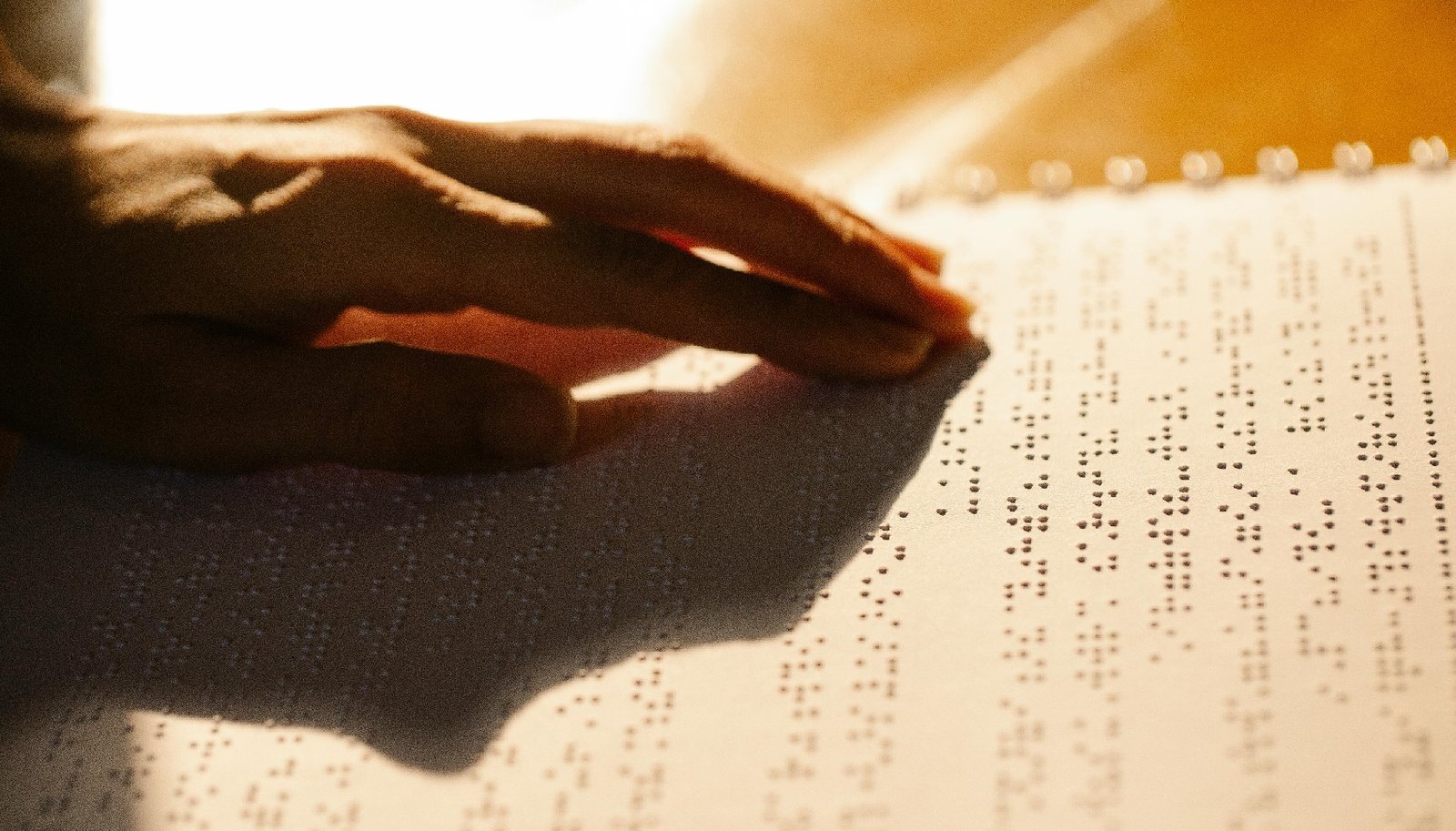
In New Zealand, blindness education plays a crucial role in empowering individuals with visual impairments to live independent and fulfilling lives. With the support of dedicated organizations, educational institutions, and vision professionals, individuals who are blind or have low vision are provided with resources and tools to navigate the world around them with confidence. One of the key organizations that provide blindness education in New Zealand is the Royal New Zealand Foundation of the Blind (RNZFB). The RNZFB offers a range of services and programs tailored to meet the diverse needs of individuals with visual impairments. These services include orientation and mobility training, assistive technology support, adaptive skills development, and emotional well-being programs. Orientation and mobility training are essential components of blindness education, as they empower individuals to move around safely and independently. Through specialized training, individuals learn how to use mobility aids such as canes or guide dogs, as well as techniques for orienting themselves in unfamiliar environments. This training not only enhances individuals' physical mobility but also boosts their self-confidence and sense of agency. Moreover, assistive technology plays a crucial role in enabling individuals with visual impairments to access information and communicate effectively. In New Zealand, organizations like the Blind Foundation offer training and support in using assistive devices such as screen readers, magnifiers, and Braille displays. By harnessing the power of technology, individuals can overcome barriers to education, employment, and social participation. Blindness education also encompasses programs that foster adaptive skills development. These programs focus on equipping individuals with the skills they need to perform everyday tasks independently, such as cooking, grooming, and managing personal finances. By mastering these skills, individuals can enhance their autonomy and quality of life. Furthermore, emotional well-being programs are vital in ensuring that individuals with visual impairments have the mental and emotional support they need to navigate the challenges of living with blindness. Through counseling, peer support groups, and other mental health services, individuals can address the psychological impact of vision loss and develop strategies for coping and thriving. In conclusion, blindness education in New Zealand is a multifaceted endeavor that seeks to empower individuals with visual impairments through knowledge and support. By providing access to training, technology, adaptive skills development, and emotional well-being programs, organizations like the RNZFB are enabling individuals to lead independent, fulfilling lives. Through ongoing advocacy and collaboration, the field of blindness education continues to evolve, ensuring that individuals with visual impairments have the resources they need to thrive in a sighted world.
https://ciego.org
Leave a Comment:
SEARCH
Recent News
- Zurich, Switzerland has long been known for its exceptional quality of life, beautiful surroundings, and high standard of healthcare. In contrast, the Russian healthcare system has faced various challenges and struggles over the years. Let's delve into the differences between the healthcare systems in Zurich, Switzerland, and Russia.
- Navigating Medical Device Regulations in Zurich, Switzerland
- In the bustling city of Zurich, Switzerland, finding healthy fast food options can be a challenge. However, with a little exploration and curiosity, you can discover some fantastic spots that offer nutritious and delicious meals on the go.
- YouTube Content Creation: Exploring the Russian Healthcare System
- In today's digital age, YouTube has become a powerful platform for content creators to share their knowledge and expertise with a global audience. One particular niche that has been gaining traction on YouTube is the creation and translation of content related to medical devices regulation.
- Are you looking for tips on creating YouTube content about healthy fast food options and the importance of translation in reaching a wider audience? Let's dive into how you can combine these two aspects to create engaging and informative videos for your channel.
- Exploring the Russian Healthcare System: Insights from a YouTube Channel
- Navigating the Regulatory Landscape for Medical Devices on YouTube
READ MORE
10 months ago Category :

Zurich, Switzerland has long been known for its exceptional quality of life, beautiful surroundings, and high standard of healthcare. In contrast, the Russian healthcare system has faced various challenges and struggles over the years. Let's delve into the differences between the healthcare systems in Zurich, Switzerland, and Russia.
Read More →10 months ago Category :

Navigating Medical Device Regulations in Zurich, Switzerland
Read More →10 months ago Category :

In the bustling city of Zurich, Switzerland, finding healthy fast food options can be a challenge. However, with a little exploration and curiosity, you can discover some fantastic spots that offer nutritious and delicious meals on the go.
Read More →10 months ago Category :
