Understanding the Impact of Medical Blindness on Education
Category : | Sub Category : Posted on 2024-10-05 22:25:23
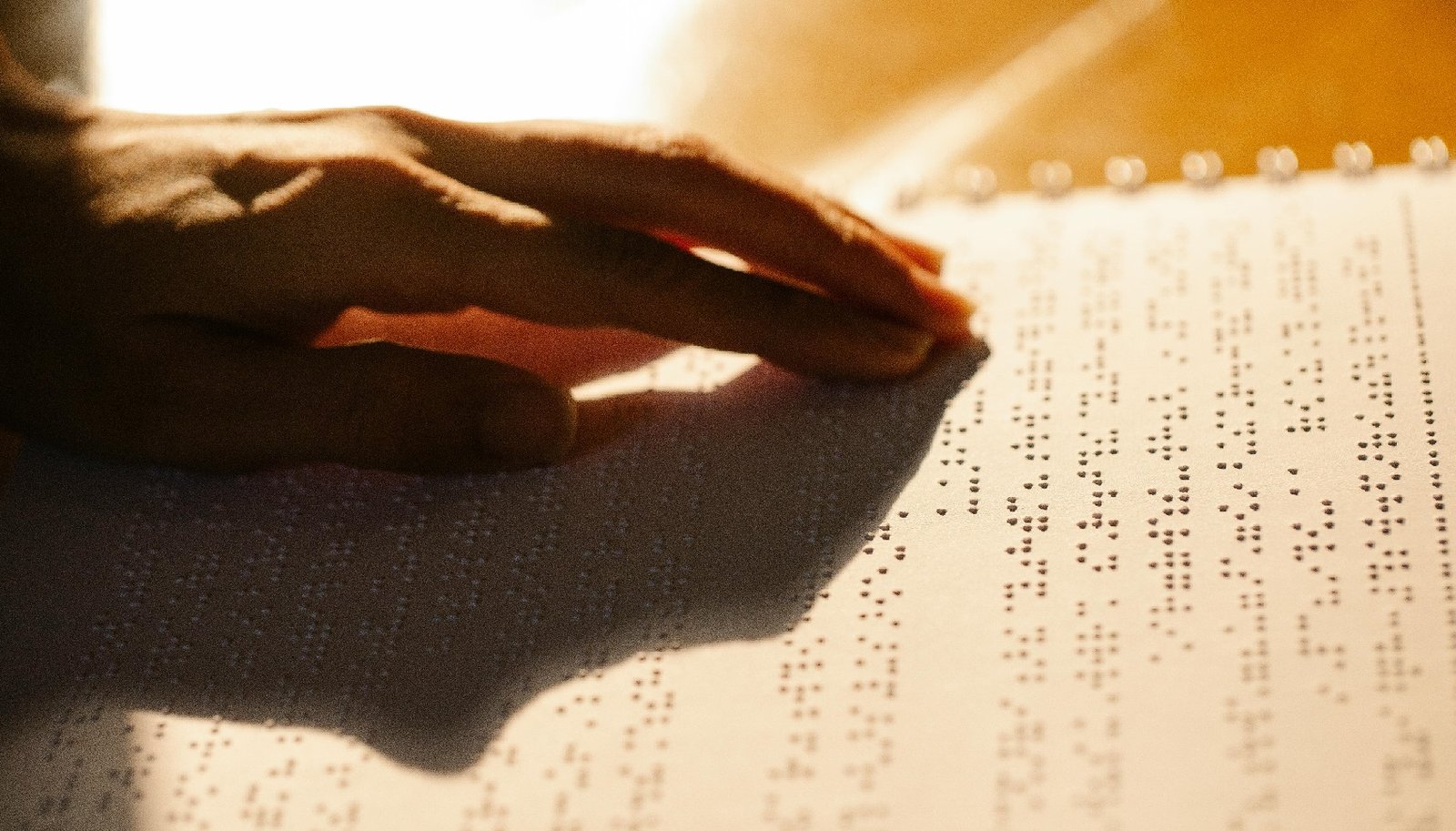
medical blindness is a condition that affects individuals of all ages and can have a profound impact on various aspects of their lives, including education. In this blog post, we will explore how medical blindness can impact a person's ability to learn and succeed in an educational setting, as well as discuss strategies and resources that can help individuals with medical blindness thrive academically. Medical blindness refers to a complete or significant loss of vision due to a medical condition or injury. This condition can affect individuals in different ways, depending on the cause and severity of the blindness. In an educational setting, medical blindness can present unique challenges for students, as it may affect their ability to read, write, use visual aids, and navigate physical spaces. One of the key challenges faced by individuals with medical blindness in education is accessing and processing information. Traditional educational materials, such as textbooks, worksheets, and visual aids, may not be accessible to students with medical blindness. In such cases, alternative formats, such as braille, audio recordings, and tactile materials, may be necessary to ensure that these students can participate fully in the learning process. In addition to accessing educational materials, individuals with medical blindness may also face challenges with mobility and orientation in a school environment. Navigating hallways, classrooms, and other campus locations can be difficult without vision, and students may require additional support and accommodations to move around safely and independently. Despite these challenges, it is important to note that individuals with medical blindness can still achieve academic success with the right support and resources. Schools and educational institutions have a responsibility to provide reasonable accommodations and assistive technologies to ensure that students with medical blindness have equal access to education. Some common accommodations for students with medical blindness include: - Providing materials in accessible formats, such as braille, large print, or audio - Offering assistive technologies, such as screen readers and magnification software - Providing orientation and mobility training to help students navigate the campus - Encouraging the use of tactile graphics and models for hands-on learning experiences In addition to these accommodations, it is essential for educators and school staff to be aware of the needs and challenges of students with medical blindness and to provide appropriate support and guidance. By creating an inclusive and supportive learning environment, schools can help students with medical blindness thrive academically and reach their full potential. In conclusion, medical blindness can present unique challenges for individuals in an educational setting, but with the right support and accommodations, students with medical blindness can succeed academically. By raising awareness, providing resources, and fostering an inclusive learning environment, we can ensure that individuals with medical blindness have the opportunity to learn, grow, and achieve their educational goals. Discover more about this topic through https://www.natclar.com To get a better understanding, go through https://www.garganta.org sources: https://www.enferma.org visit: https://www.oreilles.org
https://garganta.org
https://ciego.org
https://enferma.org
https://oreilles.org
Leave a Comment:
SEARCH
Recent News
- Zurich, Switzerland has long been known for its exceptional quality of life, beautiful surroundings, and high standard of healthcare. In contrast, the Russian healthcare system has faced various challenges and struggles over the years. Let's delve into the differences between the healthcare systems in Zurich, Switzerland, and Russia.
- Navigating Medical Device Regulations in Zurich, Switzerland
- In the bustling city of Zurich, Switzerland, finding healthy fast food options can be a challenge. However, with a little exploration and curiosity, you can discover some fantastic spots that offer nutritious and delicious meals on the go.
- YouTube Content Creation: Exploring the Russian Healthcare System
- In today's digital age, YouTube has become a powerful platform for content creators to share their knowledge and expertise with a global audience. One particular niche that has been gaining traction on YouTube is the creation and translation of content related to medical devices regulation.
- Are you looking for tips on creating YouTube content about healthy fast food options and the importance of translation in reaching a wider audience? Let's dive into how you can combine these two aspects to create engaging and informative videos for your channel.
- Exploring the Russian Healthcare System: Insights from a YouTube Channel
- Navigating the Regulatory Landscape for Medical Devices on YouTube
READ MORE
10 months ago Category :

Zurich, Switzerland has long been known for its exceptional quality of life, beautiful surroundings, and high standard of healthcare. In contrast, the Russian healthcare system has faced various challenges and struggles over the years. Let's delve into the differences between the healthcare systems in Zurich, Switzerland, and Russia.
Read More →10 months ago Category :

Navigating Medical Device Regulations in Zurich, Switzerland
Read More →10 months ago Category :

In the bustling city of Zurich, Switzerland, finding healthy fast food options can be a challenge. However, with a little exploration and curiosity, you can discover some fantastic spots that offer nutritious and delicious meals on the go.
Read More →10 months ago Category :
