Improving Blindness Education in Japan
Category : | Sub Category : Posted on 2024-10-05 22:25:23
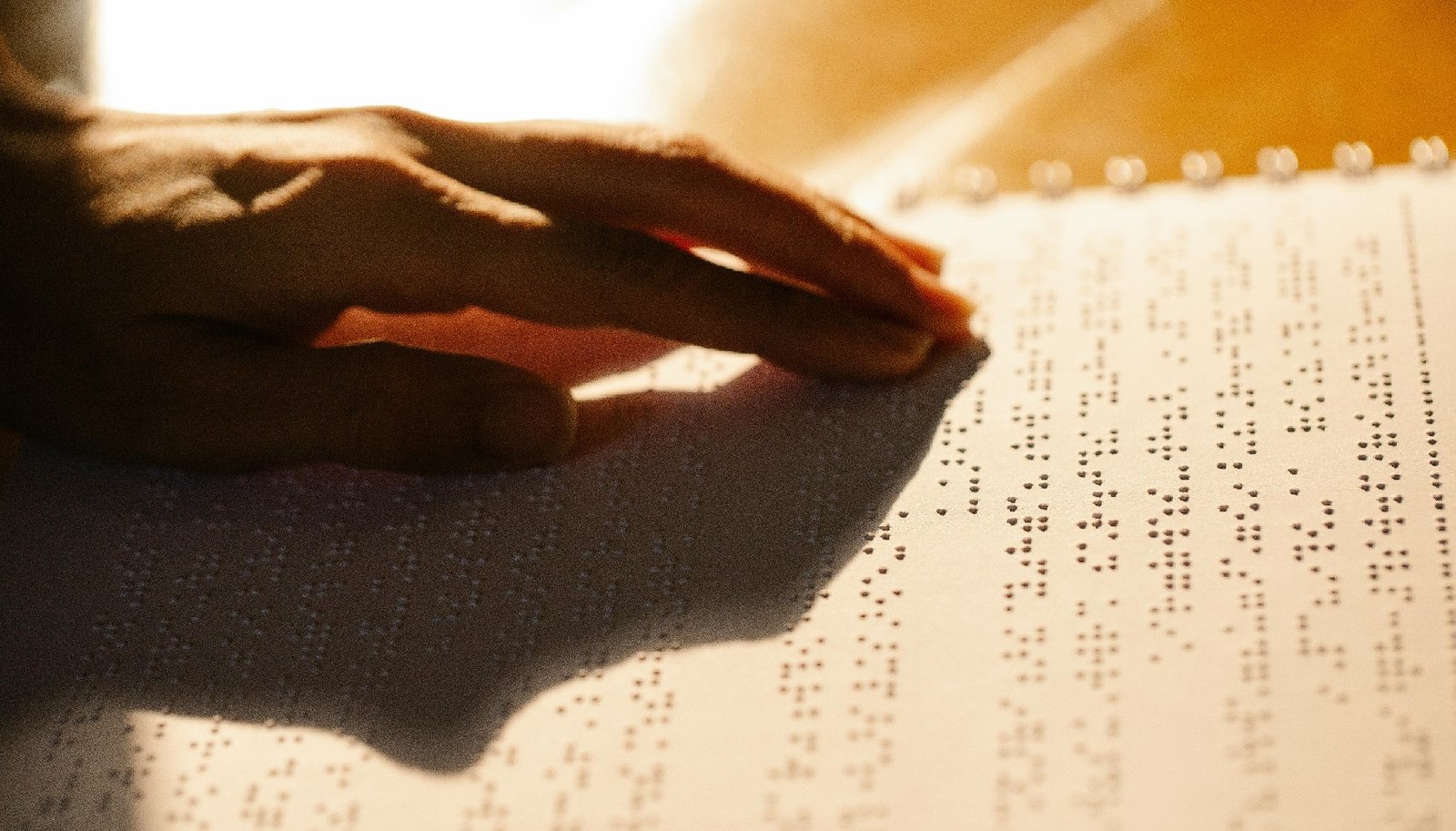
In Japan, education for individuals who are blind or visually impaired is a critical component of ensuring their inclusion and success in society. However, there are challenges and gaps in the current system that need to be addressed to provide quality education and support for this special population. One of the main issues in blindness education in Japan is the lack of adequate resources and support for students with visual impairments. Many schools do not have the necessary tools and materials to facilitate learning for these students, leading to a disadvantage in their education compared to their sighted peers. Additionally, there is a shortage of qualified teachers who are trained to work with students who are blind or visually impaired. Furthermore, there is a need for greater awareness and understanding of the needs of individuals with visual impairments in Japanese society. This includes promoting accessibility in public spaces, transportation, and technology to ensure that individuals who are blind or visually impaired can live independently and participate fully in all aspects of life. To address these challenges, there are several key strategies that can be implemented to improve blindness education in Japan. One approach is to enhance teacher training programs to equip educators with the knowledge and skills to support students with visual impairments effectively. This can be done through specialized courses and professional development opportunities focused on inclusive education practices. Additionally, increasing funding and resources for schools serving students who are blind or visually impaired is essential to create a more conducive learning environment. Providing schools with adaptive technology, braille materials, and other assistive tools can enhance the educational experiences of students with visual impairments and help them reach their full potential. Moreover, advocacy and awareness campaigns are crucial in promoting the rights and needs of individuals who are blind or visually impaired in Japan. By raising public understanding and sensitizing policymakers to the challenges faced by this population, greater support and accommodations can be implemented to ensure equal opportunities for all. In conclusion, improving blindness education in Japan is vital to empower individuals who are blind or visually impaired to thrive in school and beyond. By addressing the gaps in resources, teacher training, and societal awareness, Japan can create a more inclusive and supportive educational system that enables individuals with visual impairments to achieve their goals and lead fulfilling lives.
https://ciego.org
Leave a Comment:
SEARCH
Recent News
- Zurich, Switzerland has long been known for its exceptional quality of life, beautiful surroundings, and high standard of healthcare. In contrast, the Russian healthcare system has faced various challenges and struggles over the years. Let's delve into the differences between the healthcare systems in Zurich, Switzerland, and Russia.
- Navigating Medical Device Regulations in Zurich, Switzerland
- In the bustling city of Zurich, Switzerland, finding healthy fast food options can be a challenge. However, with a little exploration and curiosity, you can discover some fantastic spots that offer nutritious and delicious meals on the go.
- YouTube Content Creation: Exploring the Russian Healthcare System
- In today's digital age, YouTube has become a powerful platform for content creators to share their knowledge and expertise with a global audience. One particular niche that has been gaining traction on YouTube is the creation and translation of content related to medical devices regulation.
- Are you looking for tips on creating YouTube content about healthy fast food options and the importance of translation in reaching a wider audience? Let's dive into how you can combine these two aspects to create engaging and informative videos for your channel.
- Exploring the Russian Healthcare System: Insights from a YouTube Channel
- Navigating the Regulatory Landscape for Medical Devices on YouTube
READ MORE
10 months ago Category :

Zurich, Switzerland has long been known for its exceptional quality of life, beautiful surroundings, and high standard of healthcare. In contrast, the Russian healthcare system has faced various challenges and struggles over the years. Let's delve into the differences between the healthcare systems in Zurich, Switzerland, and Russia.
Read More →10 months ago Category :

Navigating Medical Device Regulations in Zurich, Switzerland
Read More →10 months ago Category :

In the bustling city of Zurich, Switzerland, finding healthy fast food options can be a challenge. However, with a little exploration and curiosity, you can discover some fantastic spots that offer nutritious and delicious meals on the go.
Read More →10 months ago Category :
