Nurturing Creativity and Learning: Homemade Toys for Blindness Education
Category : | Sub Category : Posted on 2024-10-05 22:25:23
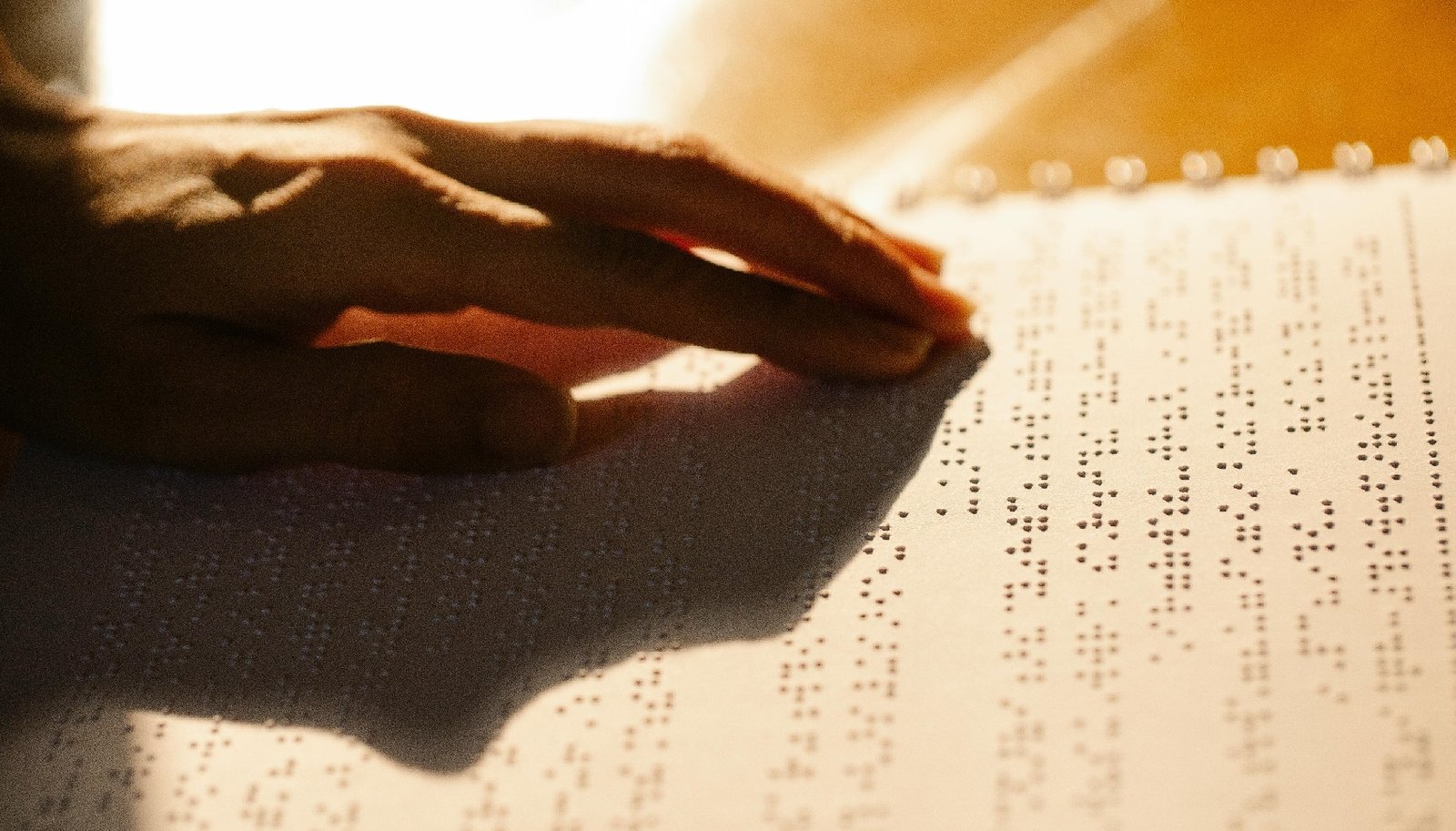
In a world where technology reigns and store-bought toys dominate children's playtime, homemade toys offer a unique and enriching alternative, especially when it comes to educating children with blindness or visual impairments. By incorporating creativity, hands-on learning, and sensory experiences, homemade toys can play a crucial role in fostering a child's development and understanding of the world around them. For children with blindness, tactile stimulation and auditory cues are essential for learning and exploring their environment. Homemade toys can be tailored to meet these specific needs, providing interactive and engaging experiences that cater to their unique abilities. One example of a homemade toy for blindness education is a sensory board. This simple yet effective toy consists of different textured materials, such as fur, sandpaper, or velcro, mounted on a board. Children can explore and feel the different textures, helping them develop their sense of touch and fine motor skills. Another homemade toy idea is a sound box, which contains various objects that make different sounds when shaken or tapped. This toy not only stimulates auditory senses but also encourages children to explore cause and effect relationships, promoting cognitive development. Furthermore, homemade toys can be used to teach concepts such as shapes, colors, and numbers through hands-on activities. For instance, creating tactile shapes out of different materials or using textured fabrics in various colors can help children with blindness learn and distinguish between different visual elements. Additionally, involving children in the creation of homemade toys can be a valuable learning experience in itself. Encouraging them to participate in crafting and assembling toys not only promotes creativity but also instills a sense of pride and accomplishment. Homemade toys for blindness education not only serve as educational tools but also promote inclusivity and encourage the understanding and acceptance of individual differences. By embracing homemade toys as a means of learning and play, we can create a more inclusive environment where children with blindness can thrive and reach their full potential. In conclusion, homemade toys offer a world of possibilities for educating children with blindness. From sensory boards to sound boxes, these homemade creations provide a hands-on and engaging way for children to learn, explore, and grow. By fostering creativity, sensory experiences, and interactive learning, homemade toys can play a significant role in enhancing the education and development of children with blindness. Let's continue to embrace the power of homemade toys in nurturing creativity and learning for all children, regardless of their abilities.
https://ciego.org
Leave a Comment:
SEARCH
Recent News
- Zurich, Switzerland has long been known for its exceptional quality of life, beautiful surroundings, and high standard of healthcare. In contrast, the Russian healthcare system has faced various challenges and struggles over the years. Let's delve into the differences between the healthcare systems in Zurich, Switzerland, and Russia.
- Navigating Medical Device Regulations in Zurich, Switzerland
- In the bustling city of Zurich, Switzerland, finding healthy fast food options can be a challenge. However, with a little exploration and curiosity, you can discover some fantastic spots that offer nutritious and delicious meals on the go.
- YouTube Content Creation: Exploring the Russian Healthcare System
- In today's digital age, YouTube has become a powerful platform for content creators to share their knowledge and expertise with a global audience. One particular niche that has been gaining traction on YouTube is the creation and translation of content related to medical devices regulation.
- Are you looking for tips on creating YouTube content about healthy fast food options and the importance of translation in reaching a wider audience? Let's dive into how you can combine these two aspects to create engaging and informative videos for your channel.
- Exploring the Russian Healthcare System: Insights from a YouTube Channel
- Navigating the Regulatory Landscape for Medical Devices on YouTube
READ MORE
10 months ago Category :

Zurich, Switzerland has long been known for its exceptional quality of life, beautiful surroundings, and high standard of healthcare. In contrast, the Russian healthcare system has faced various challenges and struggles over the years. Let's delve into the differences between the healthcare systems in Zurich, Switzerland, and Russia.
Read More →10 months ago Category :

Navigating Medical Device Regulations in Zurich, Switzerland
Read More →10 months ago Category :

In the bustling city of Zurich, Switzerland, finding healthy fast food options can be a challenge. However, with a little exploration and curiosity, you can discover some fantastic spots that offer nutritious and delicious meals on the go.
Read More →10 months ago Category :
