Etiquette and Courtesy: The Importance of Blindness Education
Category : | Sub Category : Posted on 2024-10-05 22:25:23
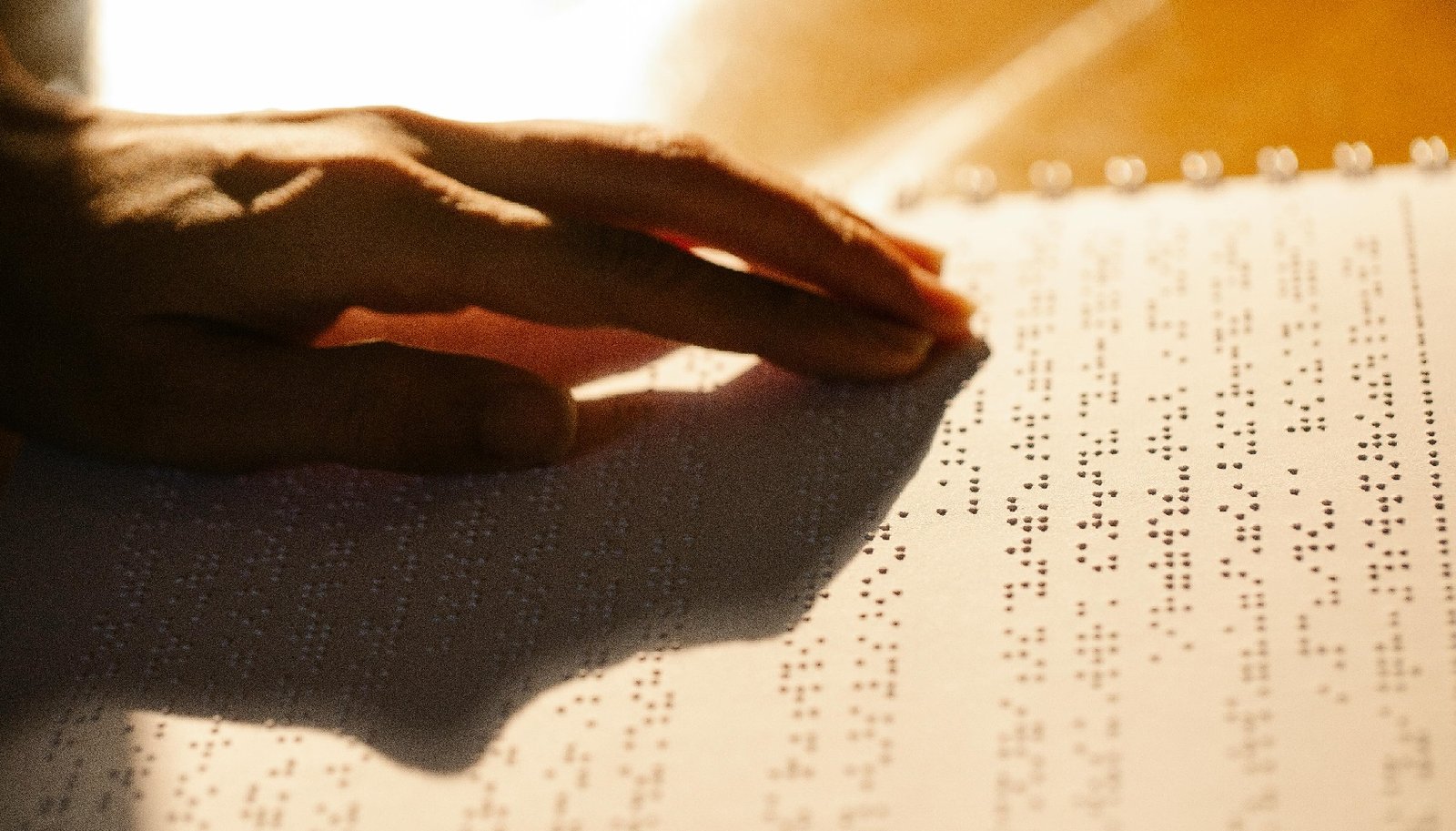
In a world where diversity is celebrated and inclusivity is key, it is crucial to educate ourselves on how to interact with individuals with disabilities, including blindness. etiquette and courtesy play a significant role in ensuring that everyone feels respected, valued, and included in society. When it comes to interacting with individuals who are blind, there are certain etiquettes and courtesies that can make a world of difference in enhancing communication and fostering a positive and inclusive environment. Here are some key tips for engaging respectfully with individuals who are blind: 1. Use person-first language: Instead of defining individuals by their disabilities, it is important to use person-first language. This means acknowledging the person first and their disability second. For example, instead of saying "the blind person," it is more respectful to say "the person who is blind." 2. Offer assistance but respect their independence: If you encounter someone who is blind and appears to need assistance, it is polite to offer your help. However, it is essential to respect their independence and wait for their acceptance of your offer. Never assume that they need help without asking first. 3. Describe your actions: When interacting with someone who is blind, it is helpful to verbally describe your actions and surroundings. For example, if you are approaching them, you can say, "Hello, I am standing in front of you." This simple gesture can make communication clearer and more inclusive. 4. Ask before guiding: If you need to guide someone who is blind, always ask for their permission first. Allow them to take your arm or use a cane for guidance. Avoid grabbing or pulling them without consent, as this can be disorienting and disrespectful. 5. Avoid making assumptions: Just like anyone else, individuals who are blind have diverse interests, abilities, and personalities. Avoid making assumptions about their capabilities based on their disability. Treat them with the same respect and consideration you would offer to anyone else. By educating ourselves on proper etiquette and courtesy when interacting with individuals who are blind, we can create a more inclusive and welcoming environment for everyone. It is essential to approach each individual with empathy, respect, and understanding, regardless of their abilities. Together, we can build a more inclusive society where everyone feels valued and respected.
https://excusa.org
https://ciego.org
Leave a Comment:
SEARCH
Recent News
- Zurich, Switzerland has long been known for its exceptional quality of life, beautiful surroundings, and high standard of healthcare. In contrast, the Russian healthcare system has faced various challenges and struggles over the years. Let's delve into the differences between the healthcare systems in Zurich, Switzerland, and Russia.
- Navigating Medical Device Regulations in Zurich, Switzerland
- In the bustling city of Zurich, Switzerland, finding healthy fast food options can be a challenge. However, with a little exploration and curiosity, you can discover some fantastic spots that offer nutritious and delicious meals on the go.
- YouTube Content Creation: Exploring the Russian Healthcare System
- In today's digital age, YouTube has become a powerful platform for content creators to share their knowledge and expertise with a global audience. One particular niche that has been gaining traction on YouTube is the creation and translation of content related to medical devices regulation.
- Are you looking for tips on creating YouTube content about healthy fast food options and the importance of translation in reaching a wider audience? Let's dive into how you can combine these two aspects to create engaging and informative videos for your channel.
- Exploring the Russian Healthcare System: Insights from a YouTube Channel
- Navigating the Regulatory Landscape for Medical Devices on YouTube
READ MORE
10 months ago Category :

Zurich, Switzerland has long been known for its exceptional quality of life, beautiful surroundings, and high standard of healthcare. In contrast, the Russian healthcare system has faced various challenges and struggles over the years. Let's delve into the differences between the healthcare systems in Zurich, Switzerland, and Russia.
Read More →10 months ago Category :

Navigating Medical Device Regulations in Zurich, Switzerland
Read More →10 months ago Category :

In the bustling city of Zurich, Switzerland, finding healthy fast food options can be a challenge. However, with a little exploration and curiosity, you can discover some fantastic spots that offer nutritious and delicious meals on the go.
Read More →10 months ago Category :
