The Impact of Books on Blindness Education
Category : | Sub Category : Posted on 2024-10-05 22:25:23
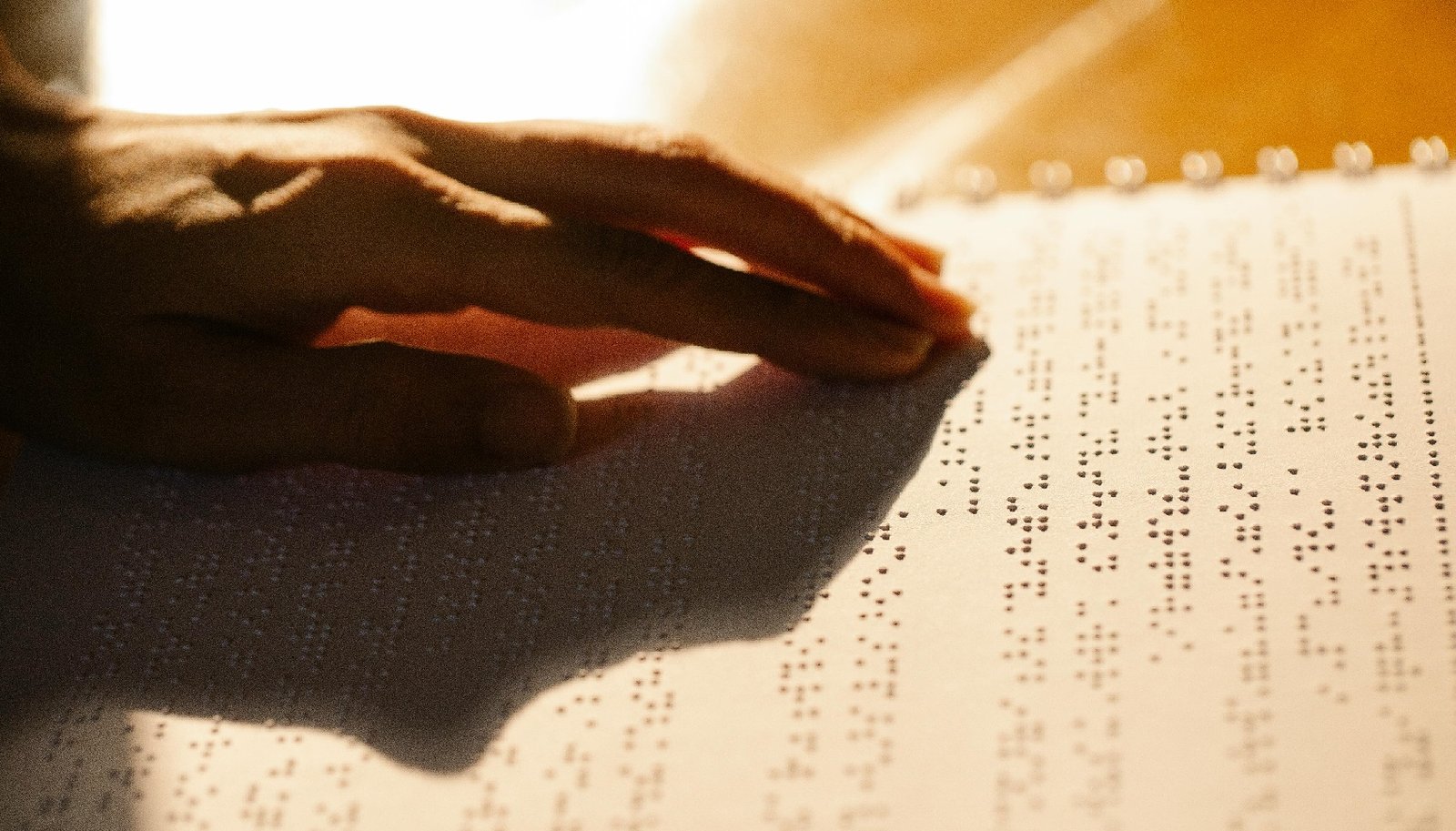
Introduction: books are not only a source of knowledge and entertainment but also play a crucial role in expanding education for individuals with visual impairments. In this article, we will explore how books have influenced blindness education and how they continue to be a valuable resource in empowering the blind community. 1. Braille Books: One of the most significant innovations in blindness education has been the development of Braille books. Louis Braille invented the Braille system in the early 19th century, providing a method for visually impaired individuals to read and write. Braille books have since become a vital tool in educating blind individuals, allowing them to access a wide range of literary works, textbooks, and educational materials. 2. Audiobooks and E-books: In addition to Braille books, audiobooks and e-books have revolutionized the way visually impaired individuals consume literature. With the advancements in technology, blind readers can now listen to narrated books or access electronic texts using screen readers and other assistive technologies. Audiobooks and e-books have made reading more accessible and convenient for individuals with visual impairments, allowing them to explore a diverse array of genres and subjects. 3. Educational Resources: Books serve as essential educational resources for individuals with visual impairments, providing them with the information and tools necessary to succeed in school and beyond. From textbooks in Braille to specialized educational materials, books play a crucial role in leveling the playing field for blind students and ensuring they receive a quality education. 4. Promoting Inclusivity and Representation: Books have the power to promote inclusivity and representation for individuals with visual impairments. Through stories featuring blind protagonists, non-fiction books on blindness advocacy, and resources that highlight the achievements of blind individuals, books help to break down stereotypes and foster a more inclusive society. By showcasing diverse perspectives and experiences, books empower blind individuals and raise awareness about the challenges they face. 5. Lifelong Learning and Personal Growth: Books are not just a tool for education but also a gateway to lifelong learning and personal growth for individuals with visual impairments. By exploring different subjects, perspectives, and genres, blind readers can expand their knowledge, stimulate their imagination, and enhance their cognitive skills. Books offer a pathway to discovery, creativity, and self-improvement, enriching the lives of blind individuals in profound ways. Conclusion: In conclusion, books have played a transformative role in blindness education, empowering individuals with visual impairments to access information, expand their learning opportunities, and engage with the world around them. Whether through Braille books, audiobooks, or e-books, the power of literature continues to shape the educational experiences of blind individuals and promote inclusivity, representation, and personal growth. As we celebrate the impact of books on blindness education, let us recognize the importance of ensuring equal access to educational resources for all individuals, regardless of their visual abilities.
https://ciego.org
Leave a Comment:
SEARCH
Recent News
- Zurich, Switzerland has long been known for its exceptional quality of life, beautiful surroundings, and high standard of healthcare. In contrast, the Russian healthcare system has faced various challenges and struggles over the years. Let's delve into the differences between the healthcare systems in Zurich, Switzerland, and Russia.
- Navigating Medical Device Regulations in Zurich, Switzerland
- In the bustling city of Zurich, Switzerland, finding healthy fast food options can be a challenge. However, with a little exploration and curiosity, you can discover some fantastic spots that offer nutritious and delicious meals on the go.
- YouTube Content Creation: Exploring the Russian Healthcare System
- In today's digital age, YouTube has become a powerful platform for content creators to share their knowledge and expertise with a global audience. One particular niche that has been gaining traction on YouTube is the creation and translation of content related to medical devices regulation.
- Are you looking for tips on creating YouTube content about healthy fast food options and the importance of translation in reaching a wider audience? Let's dive into how you can combine these two aspects to create engaging and informative videos for your channel.
- Exploring the Russian Healthcare System: Insights from a YouTube Channel
- Navigating the Regulatory Landscape for Medical Devices on YouTube
READ MORE
10 months ago Category :

Zurich, Switzerland has long been known for its exceptional quality of life, beautiful surroundings, and high standard of healthcare. In contrast, the Russian healthcare system has faced various challenges and struggles over the years. Let's delve into the differences between the healthcare systems in Zurich, Switzerland, and Russia.
Read More →10 months ago Category :

Navigating Medical Device Regulations in Zurich, Switzerland
Read More →10 months ago Category :

In the bustling city of Zurich, Switzerland, finding healthy fast food options can be a challenge. However, with a little exploration and curiosity, you can discover some fantastic spots that offer nutritious and delicious meals on the go.
Read More →10 months ago Category :
