Innovations in Technology: Accessible Gadgets for the Blind
Category : Blindness Technology Innovations en | Sub Category : Accessible Gadgets for the Blind Posted on 2023-07-07 21:24:53
Innovations in Technology: Accessible Gadgets for the Blind
Technology has the power to break barriers and improve the lives of individuals with disabilities. When it comes to blindness, innovative gadgets and tools have been developed to make everyday tasks more accessible and manageable for people with visual impairments. These accessible gadgets not only enhance independence but also open up new possibilities for communication, education, and employment.
One of the most transformative technologies for the blind is the screen reader, a software that converts text on a screen into speech or braille output. Screen readers allow individuals with visual impairments to navigate websites, read emails, and access digital content with ease. Popular screen reader applications include JAWS, NVDA, and VoiceOver, which are widely used on computers and mobile devices.
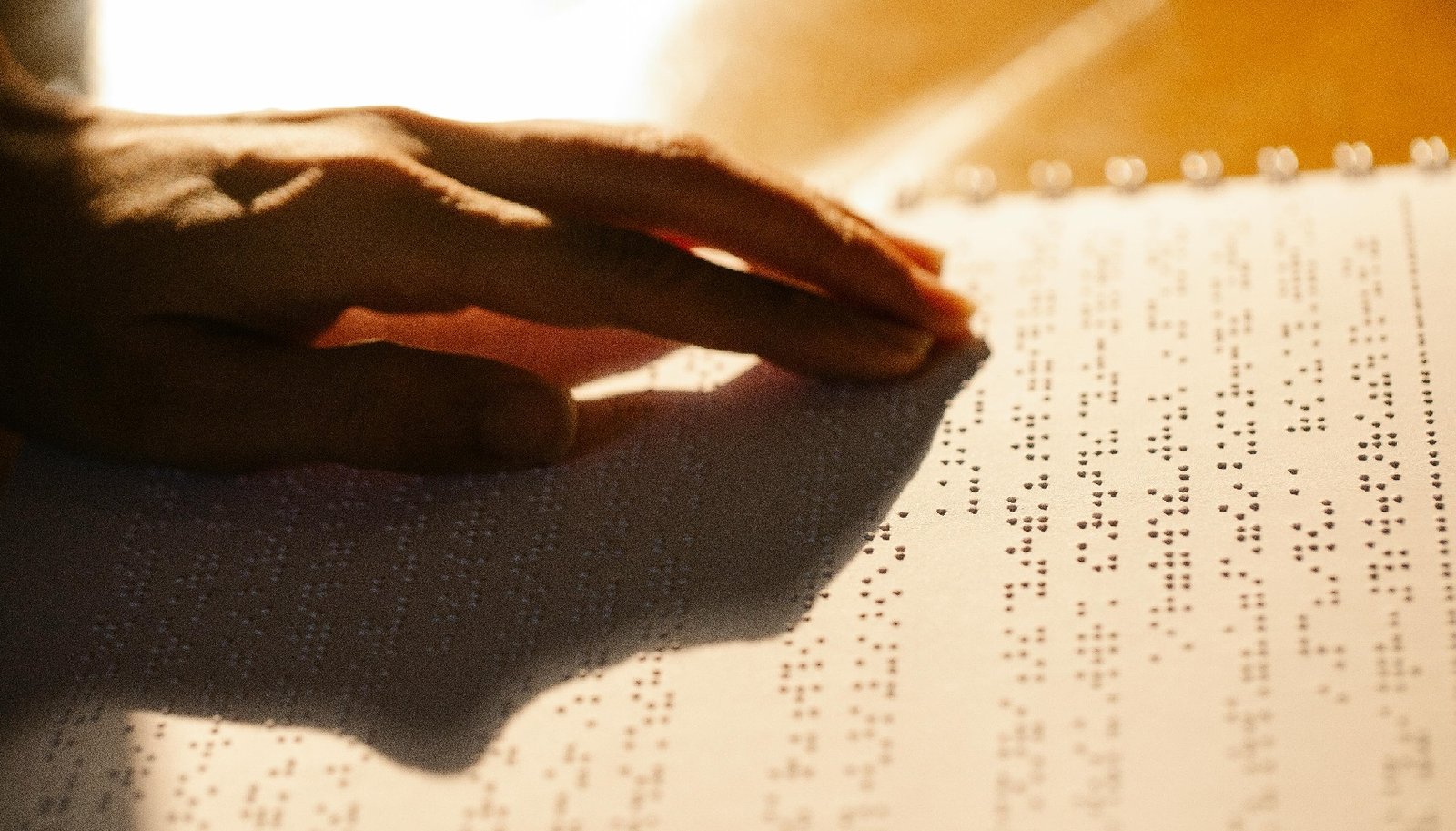
Another essential gadget for the blind is the refreshable braille display. This device features a row of braille cells that can be raised and lowered electronically, allowing users to read digital text in braille. Refreshable braille displays are highly versatile and can be connected to computers, smartphones, and other devices, offering a tactile way to access information in various settings.
Voice-activated assistants, such as Amazon's Alexa and Apple's Siri, have also become valuable tools for individuals with visual impairments. These virtual assistants can perform a wide range of tasks, from reading the news and setting reminders to controlling smart home devices, all through voice commands. Voice-activated assistants provide a hands-free and intuitive way for the blind to interact with technology and stay organized.
Navigation apps designed for the blind, like BlindSquare and Lazarillo, use GPS technology to provide detailed audio directions and location information. These apps help users confidently navigate streets, public transportation, and indoor spaces, enhancing their mobility and independence. By leveraging audio cues and voice guidance, navigation apps empower individuals with visual impairments to explore new places and travel with confidence.
Innovations in wearable technology have also made a significant impact on the lives of the blind. Smart glasses like OrCam MyEye use artificial intelligence to recognize faces, read text, and describe objects to the wearer. By providing real-time audio feedback, smart glasses help users identify people, read signs, and access printed materials independently, enhancing their social interactions and information access.
Furthermore, advancements in tactile graphics technology have improved access to visual information for the blind. Tactile graphic displays, like the Touch Mapper and Tactile Caliper, create raised-line drawings and maps that can be explored through touch. These tools facilitate the learning of spatial concepts, geography, and graphics for individuals with visual impairments, promoting a more inclusive education and work environment.
As technology continues to evolve, the future looks promising for accessible gadgets for the blind. From advanced artificial intelligence systems to innovative sensory devices, the possibilities for enhancing accessibility and inclusivity for individuals with visual impairments are endless. By harnessing the power of technology, we can create a more equitable world where everyone has the opportunity to thrive and succeed, regardless of their abilities.
Leave a Comment:
SEARCH
Recent News
- Zurich, Switzerland has long been known for its exceptional quality of life, beautiful surroundings, and high standard of healthcare. In contrast, the Russian healthcare system has faced various challenges and struggles over the years. Let's delve into the differences between the healthcare systems in Zurich, Switzerland, and Russia.
- Navigating Medical Device Regulations in Zurich, Switzerland
- In the bustling city of Zurich, Switzerland, finding healthy fast food options can be a challenge. However, with a little exploration and curiosity, you can discover some fantastic spots that offer nutritious and delicious meals on the go.
- YouTube Content Creation: Exploring the Russian Healthcare System
- In today's digital age, YouTube has become a powerful platform for content creators to share their knowledge and expertise with a global audience. One particular niche that has been gaining traction on YouTube is the creation and translation of content related to medical devices regulation.
- Are you looking for tips on creating YouTube content about healthy fast food options and the importance of translation in reaching a wider audience? Let's dive into how you can combine these two aspects to create engaging and informative videos for your channel.
- Exploring the Russian Healthcare System: Insights from a YouTube Channel
- Navigating the Regulatory Landscape for Medical Devices on YouTube
READ MORE
10 months ago Category :

Zurich, Switzerland has long been known for its exceptional quality of life, beautiful surroundings, and high standard of healthcare. In contrast, the Russian healthcare system has faced various challenges and struggles over the years. Let's delve into the differences between the healthcare systems in Zurich, Switzerland, and Russia.
Read More →10 months ago Category :

Navigating Medical Device Regulations in Zurich, Switzerland
Read More →10 months ago Category :

In the bustling city of Zurich, Switzerland, finding healthy fast food options can be a challenge. However, with a little exploration and curiosity, you can discover some fantastic spots that offer nutritious and delicious meals on the go.
Read More →10 months ago Category :
